SHARE
The Challenge
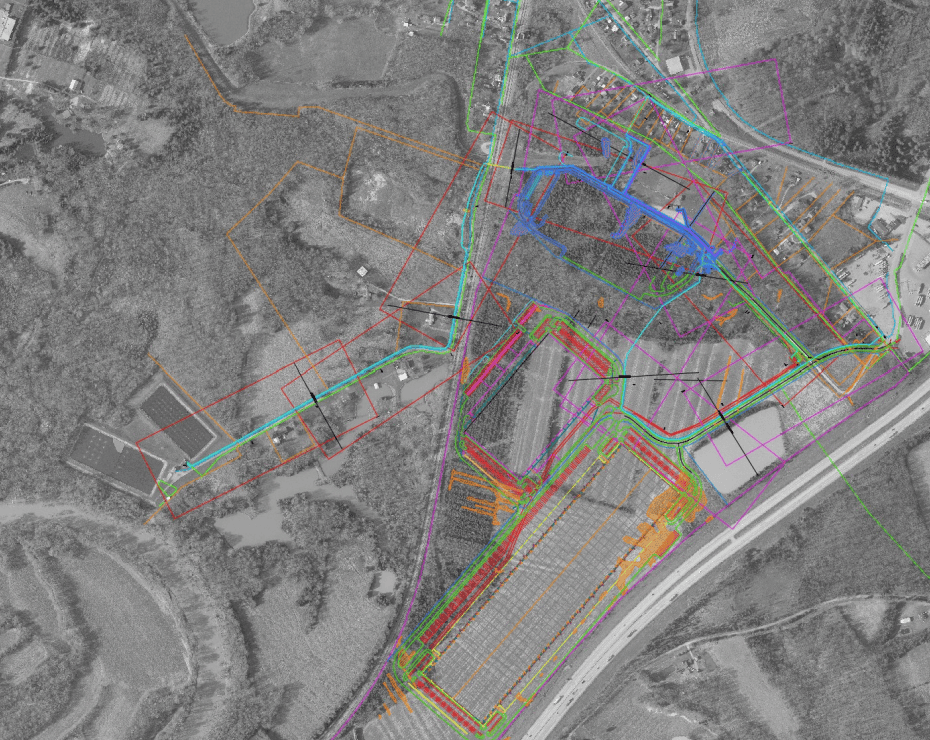
The City of Hawesville desired to plan for future expansion within their current planning boundaries that were established in 1977 and amended in 1996. A new facilities plan was prepared identifying areas of potential expansion of the collection system as well as proposing a new WWTP located at the existing WWTP site for the next 20 years. Funding was secured for the expansion through KIA SRF Loan and CDBG Grant.
The existing treatment plant had reached the end of its design life but
until a new WWTP could be constructed, the City committed to continue making improvements that led to optimization of the facility. During the facility planning
alternative phase, the City evaluated several alternatives, including two
facultative lagoons, two aerated lagoons, a new contact stabilization WWTP, a new oxidation ditch WWTP, a new SBR WWTP with all alternatives located at the site. While the most cost-effective alternative was not selected, it was recommended that the new contact stabilization WWTP was the most favorable alternative based on monetary and non-monetary analysis.
The Solution & Result
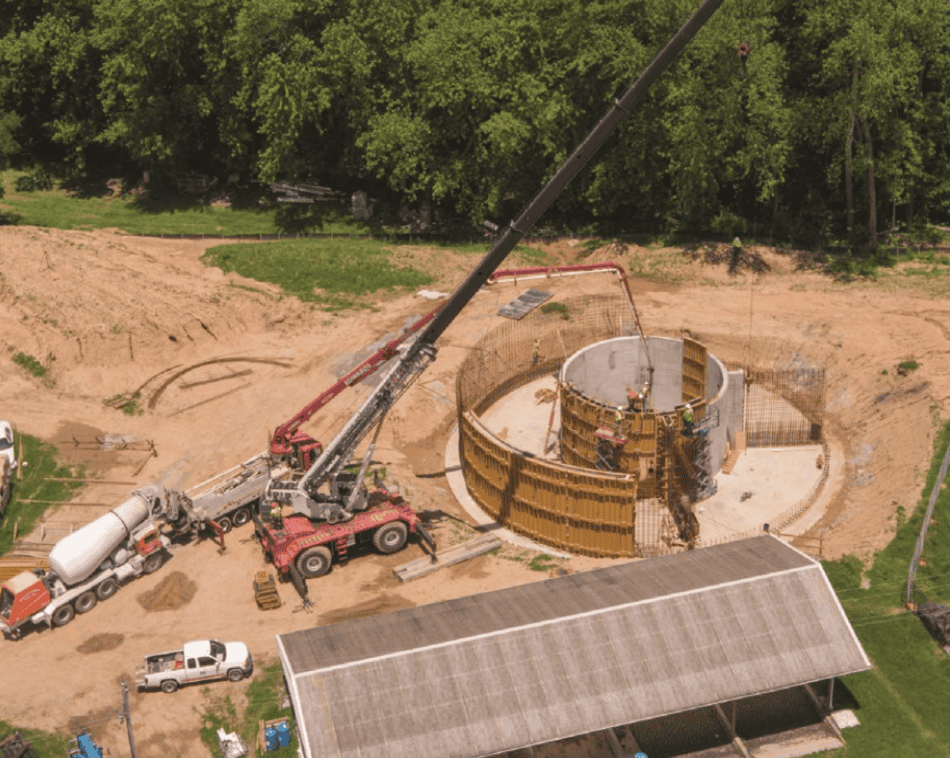
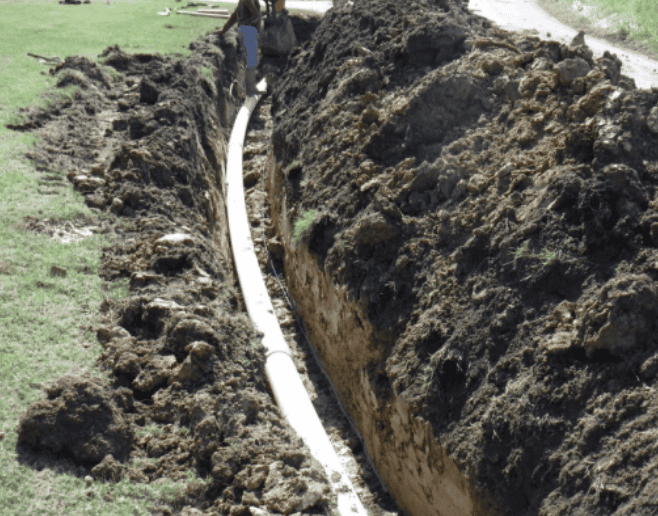
The new contact stabilization WWTP expansion increased average daily flow by 20% with an increase of peak hourly flow by 50%. The expansion of the WWTP includes development of process design calculations, hydraulic profile, process flow diagram, facility layout, equipment selection, influent piping modifications, and sludge handling.
The project was funded by CDBG grant of $0.8 million and Kentucky Infrastructure Authority Fund A of $3.0 million. The new WWTP has placed the City in compliance with their KPDES permit since day one of operation.