SHARE
Phase 11 Challenge
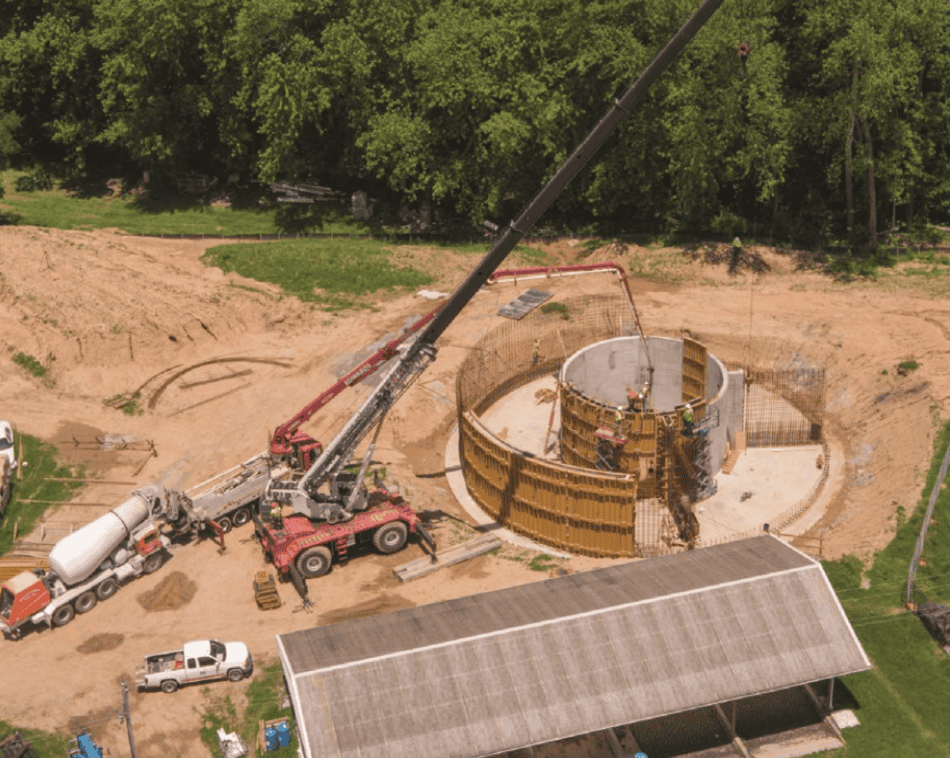
This $4.125 million project used a comprehensive hydraulic analysis to modernize infrastructure and improve efficiency, utilizing a multi-contract approach to minimize subcontractor markups for specialized tasks like tank painting and booster station upgrades.
Phase 11 Solution & Result
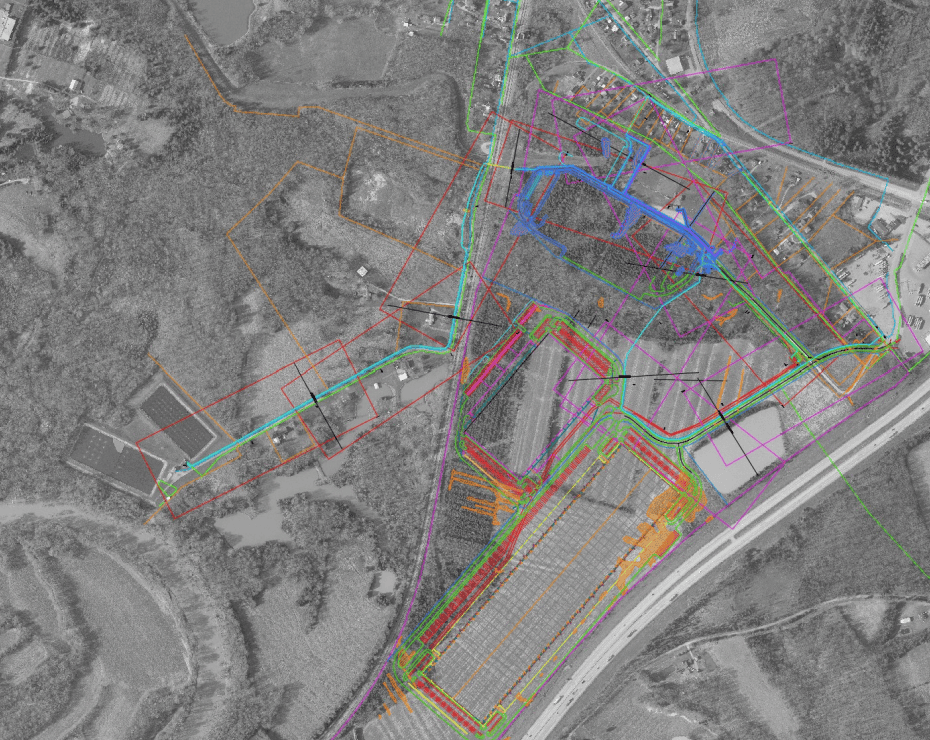
Initially, Bluegrass Engineering staff had to construct a hydraulic model from KIA WRIS data, record drawings, and interviews of RRWD’s staff to establish a baseline to evaluate the existing distribution system. Our staff worked with the staff of RRWD to modify the model where it was necessary and to establish the needs of the system that must be met by the project.
The model served as a starting point to establish the need for new storage capacity in several of the pressure zones. RRWD initially wanted to combine two pressure zones to reduce the number of tanks and booster stations in proximity, but our staff was able to utilize the hydraulic model to identify that by combining the pressure zones would require a significant increase in the capital cost to install the new tank, booster station and making the necessary piping modifications would be significantly higher than savings from a reduction of facilities.
Tank Rehabilitation — Tank improvements include internal and external media blasting for application of a new coating system. Various repairs were made at welds, panels and tank base via cut and replace or fill welds prior to application of the new coating system. During the rehabilitation of the existing tanks, the respective booster stations were placed into constant pressure operation to allow for the 30—60 days of downtime on each tank.
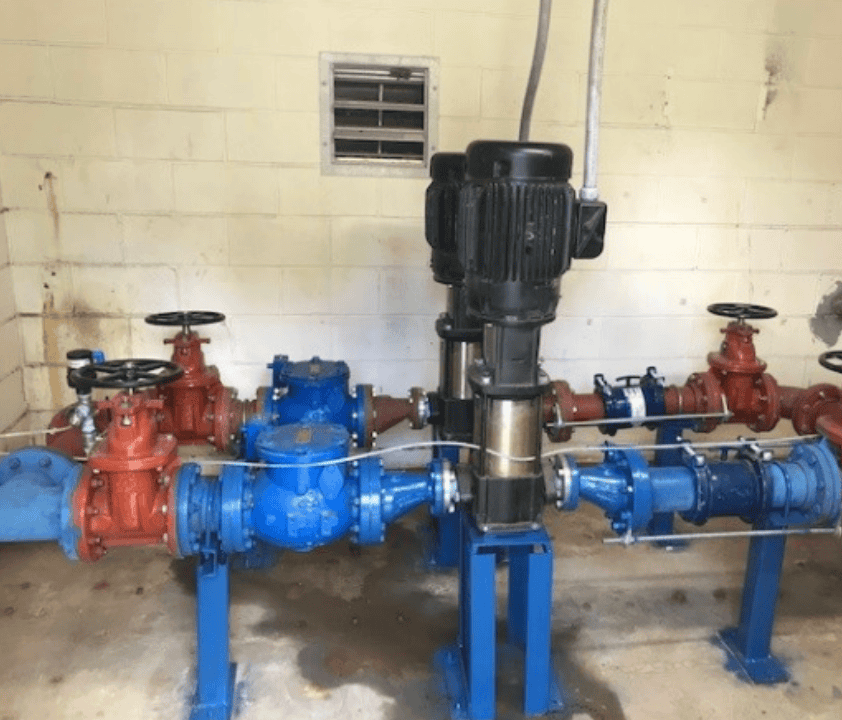
Booster Station Upgrades — Several of RRWD’s existing booster stations were in significant need of upgrades, both mechanically, electronically, and hydraulically. Three booster stations required significant improvements necessary to meet the demands being placed upon the system and improve the efficiency of the distribution system. KY 504 West booster station had undersized and poorly laid out piping that was causing significant head loss through the piping system. Bluegrass Engineering staff designed a new streamlined piping system that was adequately sized and arranged to minimize pressure loss through the booster station.
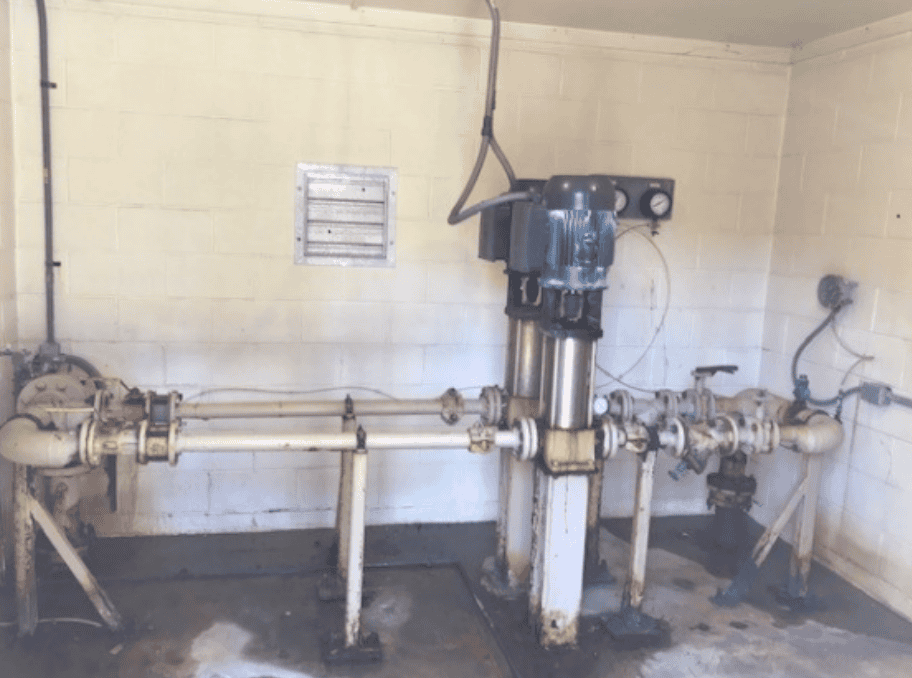
The Diamond Ridge Booster Station needed a complete replacement due to the lack of maintenance and undersized piping design (picture below). Our staff designed for a complete removal of all internal piping for a piping system that was adequately sized and streamlined to improve friction loss.
New energy-efficient pumps with VFD controls were added to the station to allow for additional flexibility for the operators to fine-tune the flow rates.
Office Building — The project also addressed the need for improved and expanded office space for RRWD. An existing maintenance building was purchased via the project and doubled in size to add office space for RRWD staff. The total square footage of the final structure was approximately 5,200 square feet.
This project helped RRWD improve operational control and efficiency with the replacement of existing standpipe tanks, constant speed pumps, an outdated SCADA system, and new pumps for improved energy efficiency.